Scott 3200A Tailwheel – Fully Rebuilt: Reliable Aircraft Ground Handling Performance
Scott 3200A Tailwheel – Fully Rebuilt: Reliable Aircraft Ground Handling Performance
Blog Article
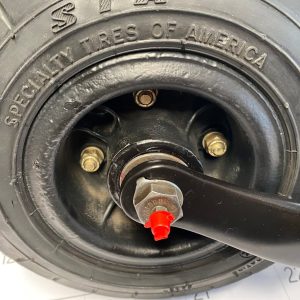
The Scott 3200A Tailwheel – Fully Rebuilt combines an established aviation design with inspected, serviced, adjusted, and replaced components intended to restore dependable mechanical operation. Clear rebuild records help aircraft owners and maintenance professionals evaluate the tailwheel before installation.
The Scott 3200A Tailwheel Assembly should be matched with the aircraft tail spring, mounting arrangement, steering linkage, operational weight, and approved configuration. The actual condition of a Scott Tailwheel Assembly should be determined through appropriate inspection rather than cosmetic appearance alone.
An Aircraft Tailwheel Assembly experiences vertical loads, side forces, vibration, steering input, and occasional impact during routine service. A properly maintained General Aviation Tailwheel can support predictable directional control and long-term serviceability.
Whether the project involves a Tailwheel Steering Assembly, Aircraft Ground Handling Tailwheel, or Scott 3200 Series Tailwheel, professional installation remains important.
Exploring the Scott 3200 Tailwheel Design
Its established design makes it suitable for consideration in restoration projects, utility operations, bush flying, private ownership, and flight training. The tailwheel operates together with the aircraft tail spring, steering chains or links, steering springs, rudder system, attachment bolts, and surrounding structure.
Scott 3200A Tailwheel Assembly Features
Its mechanical configuration can support directional control during normal taxiing while allowing wider turning movement when required. Detailed documentation gives buyers a stronger basis for comparing available Scott 3200A Tailwheel Assemblies.
Professional Scott Tailwheel Rebuilding
Final adjustment and functional testing should confirm that the Scott Tailwheel Assembly operates consistently. Cosmetic refinishing should remain secondary to mechanical condition and structural integrity.
How an Aircraft Tailwheel Assembly Works
The assembly should move freely enough for intended operation while avoiding uncontrolled swivel or excessive looseness. The tail spring and steering linkage strongly affect how the assembly responds to pilot input.
General Aviation Tailwheel Maintenance
Grass, gravel, and dirt can introduce moisture, abrasive particles, vegetation, and debris into moving areas. Experimental aircraft installations should be evaluated according to the builder’s configuration and applicable operational requirements.
Benefits of an Aircraft Tailwheel
A well-maintained Aircraft Tailwheel can support smoother tracking and reduce unnecessary pilot workload. A serviceable tire-and-wheel arrangement supports the work completed within the steering mechanism.
Taildragger Tailwheel Performance
A Taildragger Tailwheel assists conventional-gear aircraft with directional control during taxi, takeoff, landing, and ramp maneuvering. Maintenance should address both ordinary wear and damage following unusual ground events.
Aviation Tailwheel System Inspection
Every component influences how steering input reaches the wheel and how operational loads return to the aircraft. Excessive slack can delay steering response, while excessive tension may restrict movement or overload components.
Benefits of a Tailwheel Steering Assembly
Springs, pawls, bushings, bearings, steering arms, and internal contact surfaces can influence steering response. Correct clearance prevents binding and unnecessary mechanical loading.
Maintaining Aircraft Ground Handling Components
Poor steering response can increase tire wear, brake use, pilot workload, and difficulty in confined spaces. Ground personnel should avoid forcing the aircraft beyond suitable steering limits.
Maintaining Scott 3200 Series Components
The Scott 3200 Series Tailwheel has become familiar within general aviation through its use on numerous conventional-gear aircraft and restoration projects. Accurate information reduces ordering mistakes and improves buyer confidence.
Maintaining a Heavy-Duty Aircraft Tailwheel
Professional review remains necessary before fitting a read more Heavy-Duty Aircraft Tailwheel. Aircraft operating regularly from unimproved strips may require more frequent servicing.
Inspecting Tailwheel Aircraft Parts
Replacement components should be selected through accurate identification and suitable technical references. The rebuild should examine all interacting parts rather than focusing on external appearance.
Choosing an Aircraft Steering Tailwheel
A rebuilt steering mechanism should be evaluated for smooth, consistent, and repeatable operation. Ground loops, abrupt turns, crosswind corrections, rough surfaces, and towing events can place side loads on the steering system.
Benefits of a Replacement Aircraft Tailwheel
Correct identification reduces compatibility problems, return costs, and installation delays. Qualified personnel should verify condition, completeness, and installation suitability.
Maintaining General Aviation Gear Components
Main-wheel alignment, brake condition, tire pressure, and airframe rigging can influence how a taildragger behaves on the ground. Used or rebuilt landing gear parts should be listed with accurate identification, condition, rebuild history, package contents, and available documentation.
Rebuilt Tailwheel Buying Checklist
A pre-purchase inspection should confirm the assembly identity, rebuild scope, structural condition, included components, tire status, steering arrangement, and available documentation.
- Request photographs of the front, rear, sides, wheel, fork, steering arms, mounting area, identification marks, and loose components.
- Arrange professional evaluation when rebuild quality, structural condition, or internal serviceability remains uncertain.
- Retain all purchase and rebuild records with the appropriate aircraft maintenance information.
Scott 3200A Tailwheel Installation Guide
Mounting surfaces, steering springs, chains, hardware, and attachments should be reviewed before the rebuilt unit is installed. Any unexpected behavior should be corrected before normal aircraft operation.
Controlled taxi testing may help confirm steering response, centering, ground tracking, brake interaction, and shimmy resistance.
Scott Tailwheel Maintenance Guide
Long-term maintenance includes lubrication, tire inspection, bearing review, steering-link checks, cleaning, fastener inspection, spring evaluation, and monitoring of ground-handling performance. Recurring shimmy or unusual tire wear should be diagnosed rather than addressed through repeated adjustment without identifying the cause.
Suitable lubricant should be applied at the correct locations without attracting unnecessary contamination.
Buying a Fully Rebuilt Scott Tailwheel
The Scott 3200A Tailwheel – Fully Rebuilt may suit aircraft owners, bush operators, restoration facilities, flight schools, maintenance organizations, and pilots seeking renewed ground-handling performance. Buyers should request detailed photographs, rebuild records, accurate condition disclosures, secure transaction terms, qualified review, and protective shipping.
Whether operators are sourcing an Aircraft Steering Tailwheel, Replacement Aircraft Tailwheel, or General Aviation Landing Gear Parts, complete condition information supports informed decisions. With careful selection and attention to the complete tailwheel system, owners can reduce shimmy, binding, irregular steering, looseness, and premature wear.
Report this page